 LingoDrop


Japanese · Pronunciation Guide
How do you pronounce "帰る" in Japanese?
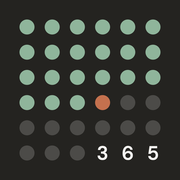
ka-e-ru, three beats — "ka" and "e" are separate morae, so it doesn't sound like English "care."
kaeru
All three slots are measured the same. Note that this word and 変える ("to change") are identical in romaji; standard Tokyo speech distinguishes them by pitch accent, but for a learner the reliable cues are context and the written kanji, not melody. What both share is a strict three-beat rhythm with the a and e kept apart.
Listen: 帰る
Free browser voice. Hear it read by a real native speaker inside the LingoDrop app.
Sound it out
Hear it in a sentence
もうすぐ家に帰ります。
Mou sugu ie ni kaerimasu.
I'm going home soon.
Listen: もうすぐ家に帰ります。
Free browser voice. Hear it read by a real native speaker inside the LingoDrop app.
もうすぐ家に帰ります gives 家 (i-e) just before the verb — another two-vowel word with no consonant between the morae. So the sentence hands you i-e and then ka-e-ri in close succession, and if you fuse either pair the whole line shortens audibly. もう at the front is a long o worth two beats.
Where English speakers slip
Almost everyone produces "KAI-roo" or "KAY-roo," merging the a and e into one English vowel and stressing it. That deletes a mora and makes the verb hard to recognise. Say ka, then e, as two separate pulses; once the three-beat shape is solid the join can smooth out without the count collapsing.